


LOOMING changes in the way cars are fuelled and controlled look set to fundamentally alter the way we pay for our motoring with the commentary increasingly softening us up for a time when we will have to pay for each car trip we make.
Already large gains in fuel economy mean that drivers can travel much further on a dollar of fuel tax than ever before, thus denying Canberra of tax revenue. But it is electric or hybrid or driverless cars, or any combination of the three, that will force change whether we like it or not.
The current road funding model is a muddle of federal, state and local government levied taxes and charges. Vehicle registration, stamp duties, GST, licence fees, tolls, fuel excise, fines and parking fees are all used to fund road infrastructure and influence our travel patterns.
Federal fuel excise is a major contributor. It is levied at 39.6 cents per litre tax and it raises about $10.8 billion each year. But the tax is becoming distorted in that as a means of charging for using the roads, it unevenly favours some road users over others. And this is only going to get worse.
Someone driving a 10-to-12 year-old six-cylinder car will typically make 650km on a tank of fuel, meaning they pay around four-and-a-half cents per kilometre in fuel excise. More modern, normally aspirated cars drive this figure down to three-and-a-half cents, while hybrid cars are lower again and electric cars pay nothing.
The proponents of a pay-per-kilometre charge say it may be one of the few ways of equitably contributing to the cost of roads and traffic systems as well as controlling congestion in large cities when driverless cars are perpetually on the road for ride-share purposes, or sent on lengthy second journeys away from city centres to park more cheaply.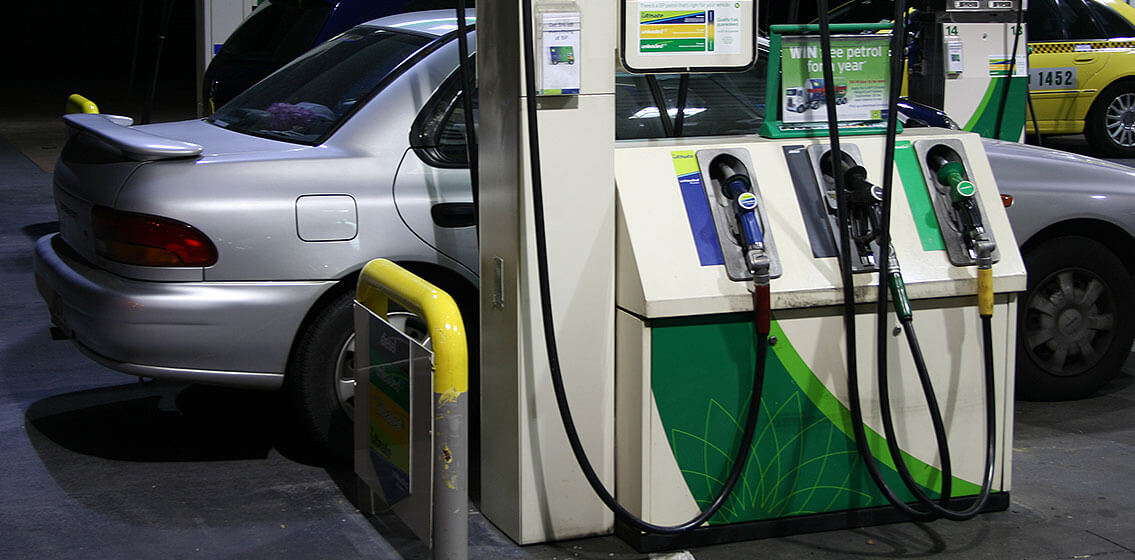
According to the federal minister for urban infrastructure, Paul Fletcher, Australia has some 880,000 km of roads across the country, roughly two thirds of them dirt. Total road-related expenditure by federal, state and local government is in the order of $25 billion per year.
But changing the way we pay to maintain or use our roads will be political dynamite.
Infrastructure Australia recently commented: “The way we currently collect and distribute charges for using the road network is inefficient, unfair and unsustainable. Access and usage charges are opaque and blunt, bearing a very limited relationship to actual use of the road network.”
As a legacy of the traditional approach to road taxes there are only limited links between road use and road charges. This leaves any useful connection between demand and supply to the informed guesses of policy makers.
The federal government is on the record as saying it will investigate the benefits, costs and potential next steps to introduce cost-reflective road pricing for all vehicles.
According to Mr Fletcher, “What we do know…is that we have a problem with our current road funding system. It is complicated and far from transparent; it is inequitable; if fuel excise revenues decline, as looks likely, it may become unsustainable”.
The minister acknowledges that it is not yet known whether a cost-reflective road pricing system would do a better job.
Toll road operators such as Transurban are making it clear that they have the technology to make pay-per-trip a reality, and that the company is positioning itself very carefully via trials of different pricing models and a slick public affairs campaign.
Mr Fletcher acknowledges that the government “would also need to make the case to the community – where, frankly, there is understandable scepticism”.
Following a recent talkback radio interview on the subject, caller after caller expressed alarm at the notion of paying a per kilometre charge, using terms such as “cash grab” and “new tax”.
The minister is at pains to point out that “under a new system we would need to proceed on the principle that the total amount being collected was not increasing” and that “any introduction of direct road pricing should be accompanied by reductions of indirect charges and taxes on road users”.
The government is also expecting the path to pay-per-trip pricing for light vehicles will be a 10-to-15-year journey. But rapid advances in automotive technology may not allow that much time
Analysis by Daniel Cotterill








 Read More: Related articles


