


Michael Curtin
ROADSIDE assistance programs are becoming more popular, more sophisticated and increasingly tailored to their clients despite a reduction in the number of car breakdowns.
Why does this contradiction exist?
Vehicles are more reliable but people are not, says the CEO of Australian-South African roadside assistance business Digicall Assist, Michael Curtin.
“By far the (most common) problems we deal with are customers faults,” he said.
The company this week added Kia Australia to its client base which already includes Ferrari, Maserati, Honda, Holden, Alfa Romeo and Fiat, as well as Chinese brands LDV, Foton, Great Wall and Chery.
Mr Curtin said that Kia adopting his program “really demonstrates their commitment to their customers”.
“In Kia’s case, it has put together a very high-end program for customers and is going out of their way to look after the customer in the event that something does go wrong. That’s critical these days.”
Kia Australia, which tendered for the its roadside assistance program after the end of a contract period, this week told GoAutoNews Premium that about 85 per cent of its customer call outs were not related to a vehicle fault.
The 85 per cent are incidents – including punctures, flat batteries, no fuel and keys locked in cars – outside of the manufacturer’s control.
“The number of breakdowns of the vehicles is quite low,” Mr Curtin said.
“Cars are more sophisticated. For example, even leaving the headlights on is almost impossible these days because of modern car systems and that was once the primary causes of battery failure.
“I’m always so surprised when cars run out of fuel. It is not like a car today doesn’t tell you that it’s about to run out of fuel because there are buzzers and lights warning the driver.
“Even when the fuel gauge gets to zero there’s probably another 10 kilometres left. But we get calls all the time from people who have run out of fuel.”
The roadside assistance isn’t the only task Digicall Assist will perform for Kia. Mr Curtin said Digicall Assist will also provide dealer location, vehicle and promotional enquiries from its Sydney-based call centre.
These add-on services are becoming more common to the roadside assistance industry as operators broaden their business model to provide their automotive clients with tailored information and reporting data to be used for marketing, research and forward planning.
The expansion of the business – seen often mistakenly as just a helping hand when a car breaks down – shows the competitive nature of the players but also the ability for dealerships, OEMs and importers to recognise the box-seat position of roadside assistance companies in relation to their customers.
“We are always looking to develop our product and align it to bring some additional services from South Africa to here,” Mr Curtin said.
“We are driven by client demand so we constantly talk to our customers about their needs.
“We have done things like service retention programs, focused on brand loyalty or understand the sales cycle for the customer.
“We get a different view about when the motorist will replace the vehicle, for example, because we are talking direct to these people.
“We also run customer care programs for motorists who have concerns about their vehicles or they may not be happy with the car or dealer. It allows us to work for our customers – the OEMs, the importers or the dealers – to manage those situations.”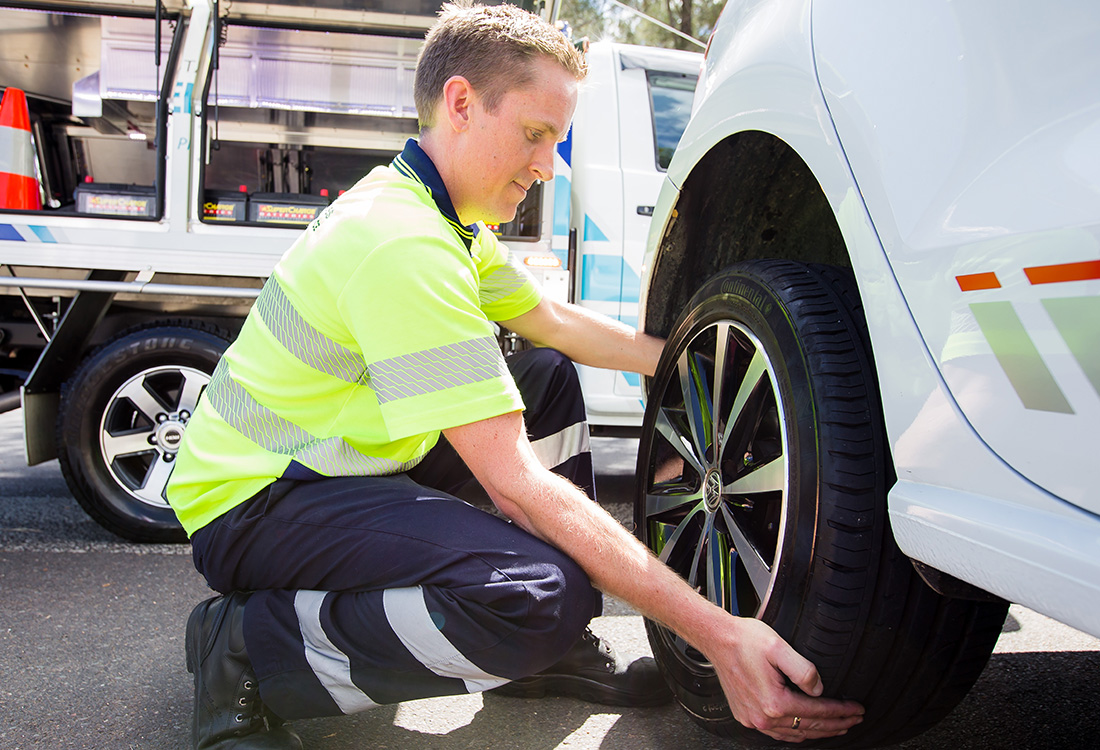
Digicall Assist was involved at the coalface when one of its clients suddenly became aware – via a TV news announcement – that there was an asbestos issue with 25,000 of its vehicles in Australia.
“It was the first highly-public asbestos issue made with a car company and was exacerbated by the issue going straight onto the media,” Mr Curtin said.
“The importer was caught on the fly with a few days notice and they did not expect it to happen. We had some very upset people ring us concerned that they may have exposed their family to asbestos and mesothelioma.
“The is the type of emotional, distressed call we don’t generally have to deal with. It’s quite different for our staff to deal with compared with something like a flat tyre, no fuel or about being unhappy with the car.”
Mr Curtin said by engaging professionals with asbestos knowledge and ensuring all owners of affected vehicles were contacted, the concern voiced by owners was reduced.
He said that everything his company does is bespoke for its customers.
“We are not aiming this at the motorist – we are aiming it at the customer (client) and so every one of our programs is written differently,” he said.
“Ferrari and Maserati probably has the most bespoke of the programs we offer.
“Some others aren’t as generous in terms of what is provided in the program, such as the level of accommodation, rental cars and other features.
“But all of our programs certainly look after their customer. After 15 years in this business, I know that the expectation by the customer is to have a pretty incredible experience no matter what happens and whoevers fault it is.”
The other part of Digicall Assist’s business revolves around fleet management.
“We work with some of the bigger novated lease and fleet management companies in Australia to provide inclusive roadside assistance cover for clients,” Mr Curtin said.
By Neil Dowling

Sorento GT





 Read More: Related articles


