


The results are at odds with predictions made by transport experts and the motor industry that car-sharing and autonomous vehicles will reduce traffic congestion.
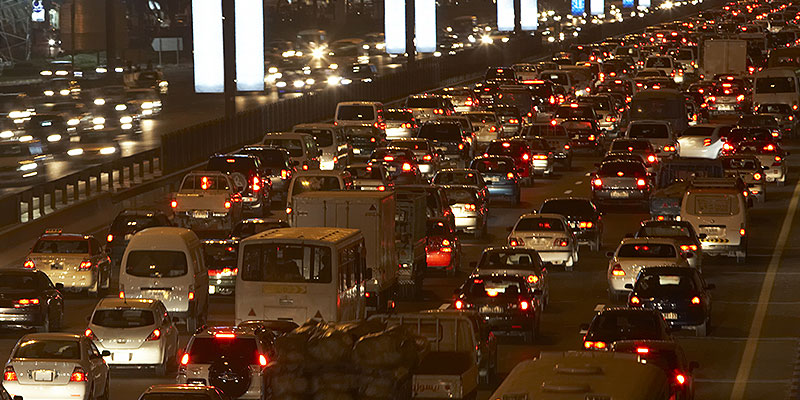
The university’s latest Transport Opinion Survey (TOPS) quarterly findings, conducted by its internationally respected Institute of Transport and Logistic Studies, indicates that congestion in our cities is unlikely to ease with the arrival of autonomous cars and could even be worse than today.
The results have prompted the institute’s director, Professor David Hensher, to predict that governments may be forced to impose fees on private cars to reduce any forecast traffic congestion.

Survey participants said they would buy an autonomous car (25 per cent) but only 30 per cent of those would make their car available for lease to other motorists when it was not in use.
Forty per cent of respondents said that they would use their cars more because they believed travelling would become easier, while more than 30 per cent said they would use their car rather than public transport.
TOPS found that no participant expected their daily travel to remain the same in the autonomous era.
Professor Hensher said there could be more traffic congestion on Australia’s roads rather than less as predicted by some transport analysts, and a deterioration in public transport services.

Click to enlarge
“The survey suggests a strong uptake which is encouraging at this stage in the debate on the future of driverless vehicles,” he said.
“However, the real challenge is getting society to become more (amenable to) sharing either by allowing others to use their cars or through a third party mobility plan.
“Pundits promoting the virtues of driverless cars were suggesting that they would contribute to a significant reduction in traffic congestion. Our findings appear contrary to that view.
“We now need to contemplate how society more broadly, and government, might respond through new laws ensuring that disruptive transport technologies serve the public while managing their negative impacts through various measures including a private car use levy.”
The TOPS also indicated that Australians have steadily regained confidence in their local transport services but this is still a long way from the high recorded in September 2013.

What the survey found:
- 42 per cent of Australians said that the highest priority issue for transport in Australia is public transport improvements, up from 31 per cent in September 2016. This is followed by road improvements (20 per cent) and other issues (17 per cent).
- One in four Australians consider buying autonomous vehicles (AVs) for using or renting out when not using.
- 26 per cent of respondents think that they will purchase AVs for their use but only seven per cent of these intend to lease out their vehicles when they are not in use.
- About 60 per cent said they will continue using conventional cars when AVs go on sale. All of respondents believe that self-driving vehicles will affect their daily travel but in different ways.
- About 50 per cent would consider using AVs to replace some public transport trips if the AVs were not very expensive.
By Neil Dowling









 Read More: Related articles


